History-focus decision guide
Whitney Plantation vs Oak Alley: which should you choose for history?
If your main priority is understanding slavery through the lives and testimony of enslaved people, Whitney is the stronger fit. If you want a broader historic-site visit that combines a guided Big House experience, grounds, exhibits and additional visitor amenities, Oak Alley is the broader site experience.
Operator facts last checked August 9, 2026
Need booking, schedule, or pricing details? This guide focuses strictly on the historical interpretation differences between Whitney and Oak Alley. For duration (5h 25m), French Quarter coach departure times (400 Toulouse St), ticket prices, and live booking, see our full Whitney vs Oak Alley Tour Comparison.

Choose Whitney if...
The slavery narrative is your first priority
The current tour description centers first-person narratives, memorials, restored buildings and the history of slavery in Louisiana. The visit uses a self-paced audio experience rather than presenting the property primarily through the owner's house.
View Whitney tour →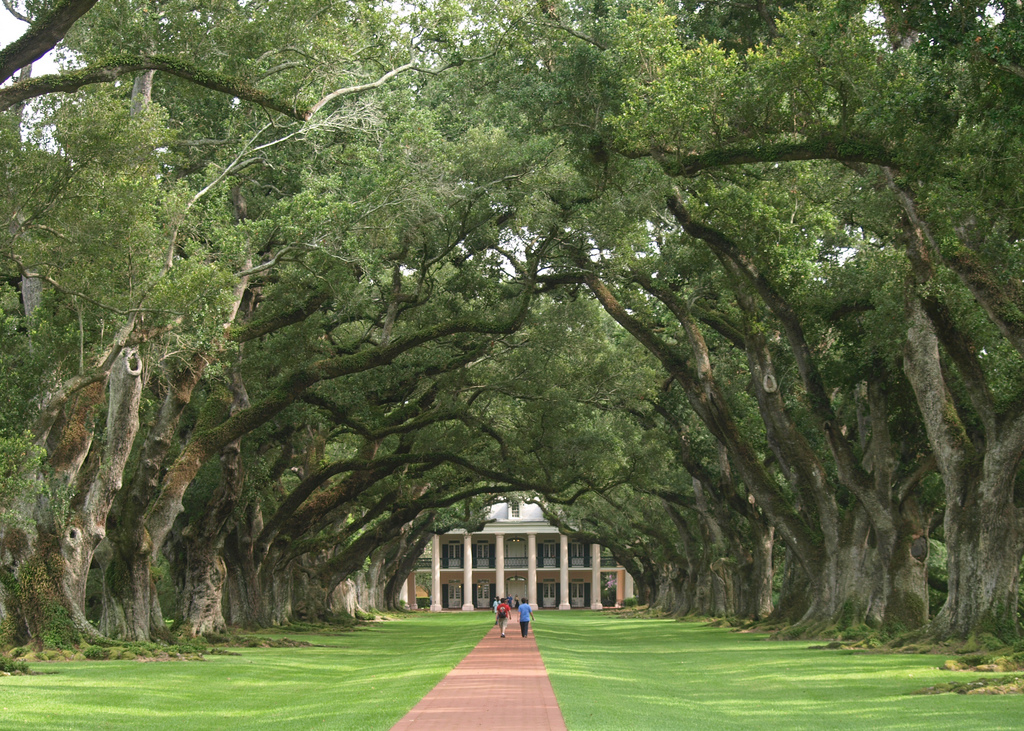
Choose Oak Alley if...
You want a broader historic-property visit
The current visit includes a guided Big House tour plus the Sugarcane Theater, reconstructed slave cabins and slavery exhibit, owners exhibit, gardens and blacksmith area. Food and drink options are also available on site.
View Oak Alley tour →The differences that actually change the decision
| Question | Whitney Plantation | Oak Alley Plantation |
|---|---|---|
| Primary historical emphasis | Slavery, enslaved people's lives and first-person narratives | Broader plantation-property history with slavery exhibits included |
| Tour format | Self-paced audio experience | Guided Big House plus self-guided grounds/exhibits |
| Listed total outing | 5 hours 25 minutes | 5 hours 25 minutes |
| New Orleans meeting point | 400 Toulouse Street | 400 Toulouse Street |
| Walking surface | Uneven gravel on grounds | Mostly paved grounds; walking remains integral |
| Major accessibility caveat | Grounds can be difficult because of gravel | Second floor of Big House requires 22 stairs; video alternative listed |
| Food on site | Food/drink not included in current listing | Restaurant, café and bar options listed |
What each site includes
Whitney
- Self-paced audio tour
- Memorials and museum material
- Restored historic buildings
- First-person narratives and slavery-focused interpretation
- Slave quarters viewable, but the checked tour says they are not enterable
Oak Alley
- Guided Big House tour
- Sugarcane Theater
- Reconstructed slave cabins and slavery exhibit
- Owners exhibit, gardens and blacksmith area
- Restaurant, café and bar options
For grandparents or limited mobility
Neither site should be reduced to a simple “accessible / not accessible” label. Whitney lists accessible gift shop, restroom and museum areas, but the grounds include uneven gravel. Oak Alley is more paved, but the second floor of the Big House requires 22 stairs; the operator lists a video alternative for guests who cannot go upstairs. Call the operator before booking when mobility is a deciding factor.
A note on the word “plantation”
These are historic sites connected to slavery. We recommend choosing based on what history you want to understand, the interpretation format, physical accessibility and the amount of time your group can devote — not simply which property looks prettier in photographs.